Arranging home care for yourself or a loved one can feel overwhelming, especially when you aren’t sure what to expect.
One of the most important steps in beginning home care services is understanding the individual’s needs through a care assessment.
For Maryland families exploring professional home care, knowing what happens during an initial assessment can help make the experience more comfortable and productive.
What Is a Home Care Assessment?
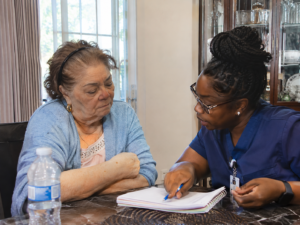
A home care assessment is an evaluation of an individual’s needs, abilities, daily routines, and safety considerations.
Its purpose is to help determine the type of assistance that may be appropriate and provide information for developing an individualized care plan.
Depending on the provider, services, and program requirements, a registered nurse or another appropriately qualified professional may conduct the assessment.
1. Reviewing Daily Living Needs
The assessment often begins with questions about activities of daily living.
These may include:
- Bathing and personal hygiene
- Dressing and grooming
- Toileting and incontinence care
- Walking and transferring
- Eating and meal preparation
- Light housekeeping and daily routines
The assessor may ask which activities the individual can complete independently and which require assistance.
The goal is not simply to identify limitations. It is also to understand and preserve the individual’s existing abilities.
2. Discussing Health and Safety Concerns
Relevant medical conditions and functional limitations may affect the type of support an individual needs.
The assessment may include discussion of mobility difficulties, fall risks, assistive devices, medication-related support, and recent changes in health or daily functioning.
For example, an individual with an unsteady gait may require additional precautions when walking or transferring.
A home care assessment is not a substitute for a medical examination. New or worsening health concerns should be discussed with the appropriate healthcare professional.
3. Understanding Personal Preferences
Quality home care should recognize that individuals have established routines and preferences.
The assessor may ask about preferred bathing times, meal routines, communication needs, cultural considerations, and activities that are important to the individual.
These details help make a care plan practical and respectful.
Whenever possible, the person receiving services should participate in decisions about their care.
4. Evaluating the Home Environment
The home environment can influence safety and the delivery of daily assistance.
An assessment may identify concerns such as:
- Cluttered walkways
- Poor lighting
- Difficulty accessing bathrooms or bedrooms
- Stairs that are challenging to navigate
- The need for appropriate mobility equipment
Families may receive recommendations to discuss with healthcare professionals or other qualified providers.
5. Developing an Individualized Care Plan
Information gathered during the assessment helps inform a care plan.
A care plan may specify the activities requiring assistance, safety precautions, caregiver responsibilities, and relevant personal preferences.
For example, a care plan might explain that an individual requires assistance with bathing, transfers, and meal preparation but can eat independently.
Clear instructions help caregivers understand how to provide appropriate support.
6. Discussing Scheduling and Available Services
Families should also ask practical questions about arranging care.
These may include:
- Which services are available?
- How are caregiver schedules established?
- Who should the family contact with concerns?
- How are changes in care needs addressed?
- What payment or authorization requirements apply?
For individuals receiving services through Medicaid or another assistance program, eligibility, service authorization, and covered hours may affect the care arrangement.
How Families Can Prepare
Before an assessment, consider writing down your loved one’s daily challenges, important routines, mobility concerns, and questions.
You may also want to have relevant medication information, care instructions, and contact details available when appropriate.
Most importantly, encourage your loved one to participate in the conversation.
Taking the First Step Toward Home Care
An initial assessment helps establish an understanding of the individual’s needs and creates a foundation for appropriate care planning.
At Home Healthcare Solutions, we recognize the importance of individualized assistance, dignity, and clear communication when supporting individuals in their homes.
Exploring Home Care Services in Maryland?
Contact Home Healthcare Solutions to learn more about our available services, assessment procedures, and how to begin exploring home care options for yourself or a loved one.
This article is for general educational purposes. Assessment processes and service authorizations vary depending on the provider and applicable program requirements.